
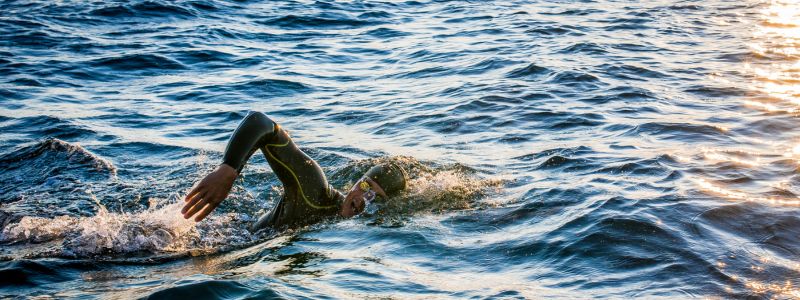

When writing a challenging character experience that I have not had directly, I always start with my personal experience, then I consult the facts, and last, I try to talk to someone who has experienced it.
Being Cold
I have never had hypothermia, thank heavens, but I have been very cold. I farmed for years in the North. We had four hundred sheep and thirty goats that needed care no matter the temperature. At thirty below (F), for example, goat’s milk instantly freezes when it hits the milk bucket, and sheep’s breath turns to snowflakes inside the barn so they all wear a layer of frosty white on their backs. Born wet, lambs instantly start to freeze, and they have to be rushed inside and soaked in a pan of warm water to revive them.
From ten to thirty below, your hands turn numb, your cheeks burn, you shiver, and you hurry to get back inside as fast as possible. With several layers of clothing and two pair of gloves, I could usually work for ten to fifteen minutes in the barn.
So, I have some experience with cold, but how is that different from hypothermia?
Facts About Hypothermia
Hypothermia starts when your core body temperature drops below 98.6.
Mild hypothermia: 98.6-96 F
At this stage, the individual will shiver involuntarily. They will be able to walk and talk, but too weak to do strenuous activity like climbing. Hands and feet will feel cold then numb.
Moderate hypothermia: 96-93 F
At this core temperature, the symptoms worsen. The shivering gets violent especially when at rest. Fingers can no longer be controlled. For example, the person won’t be able to zip their jacket or put on gloves. Speech slurs, and they can no longer think clearly. Behavior may become erratic. This is sometimes called the bumble, fumble, and grumble stage.
Severe hypothermia: 92-86 F
This stage is life threatening. Shivering comes in waves and eventually stops. Muscles go rigid. The person is unconscious or in a stupor. They curl into a fetal position and cannot walk or move. Their face is pale and pupils dilate. Any skin exposed to the air or water looks blue. Pulse slows. The sufferer is unconscious, but still alive. Death occurs when the core reaches 78 degrees or sometimes before.
Factors Affecting Hypothermia
How long it takes to succumb to hypothermia depends on the person and the conditions.
Physical condition: Physically-fit people with some body fat and several layers of clothing will survive better than a tall thin, non-athletic person wearing a bathing suit.
Exposure and Weather: The wind chill factor, plus how wet the person is, will have even more effect.
Submerging in cold water: Being immersed in cold water hastens the onset of hypothermia as it chills the torso quickly. The body loses heat 25 to 35% faster in water. If the water temperature is less than 96.6 F, mild hypothermia will begin when the person gets in the water and will increase the longer the person is in the water. Swimming will keep the person warmer than simply floating.
Water Temperature and Hypothermia
Since my characters are in the ocean, I have focused on the relationship between water temperatures and hypothermia symptoms. The following chart shows this relationship.
| Water Temperature | Death from Hypothermia |
| 60-70 degrees F | 2 to 4 hours |
| 50-60 degrees F | 1 to 6 hours |
| 40-50 degrees F | 1 to 3 hours |
| 32.5 to 40 degrees F | 30 to 90 minutes |
So how does this affect my characters?
Since the average water temperature in the Minas Basin is between 57 degrees and 69 degrees F in the summer and between 35 degrees and 40 degrees F in the winter, my characters are at risk both in the winter and the summer. It is from this relationship that I have developed my characters’ experiences as they struggle to survive.
Writing Hypothermia
When I am ready to write, I gather all my facts and create a list of behaviors from slightest to most severe. I then figure out what the water temperature would be for that season of the year and how long the character would be in the water. I also consider the characters physical condition.
Based on this, I determine where my character would begin on the list and where they would end. Here is my hypothermia list.
- Feel cold
- Shivering
- Blood vessels contract
- Numbness in hands and feet
- Mental fog
- Feel weak
- Struggle to move arms and legs
- Want to give up
- Shivers violently
- Can no longer move fingers
- Speech is slurred
- Not totally aware
- Shivering comes in waves
- Skin is pale or blue
- Glassy stare
- Breathing and heartbeat are irregular
- Curls into fetal position
- Muscles go rigid
Here is an excerpt from Lost Beneath the Tide showing my character experiences hypothermia.
“Cat knew she wasn’t going to make it. She could easily swim half-a-mile. She could even do a mile. But not in rough, freezing cold water. Even though it was summer, the water temperature was probably near seventy degrees Fahrenheit. At that temperature, hypothermia could set in after two hours, and surely, she’d already been in water an hour by now.
Shivers ripped through her. Any body heat she’d had was fast dissipating. She could barely lift her arms above the water. Every other wave broke over her. And somehow, she’d lost her sense of direction. The lights of Tide Harbor that should be behind her to the east had disappeared.”
Resources I Used
American Boating Safety Hypothermia in Summertime
Outdoor Action Guide to Hypothermia
Water Temperatures in the Minas Basin
Wet-Cold Exposure and Hypothermia
 Tide Harbor Suspense by Zara West